In the quest for global expansion, many companies hit a wall they didn’t anticipate: the back-office breaking point. Manual systems for global supplier payments simply do not stretch. As transaction volume increases, you either hire more people or things start slipping. There is no middle ground. For decades, this was just the “cost of scale.” However, the introduction of APIs has changed the trajectory of the global profit margin. Once systems are set up, handling more transactions doesn’t create the same pressure. It grows, but not in that heavy, linear way.
The goal of API integration for global suppliers is to move away from the guesswork of cash flow and toward a system where technology pushes the money along, rather than waiting for a person to find the time.
The Manual Breaking Point: Why Hiring Isn’t the Answer
Manual systems are inherently fragile. They rely on “the guy who handles finance” and his ability to catch every detail. When you add 100 more suppliers, you add 100 more opportunities for a document to get lost in an inbox or for someone to forget an attachment. To fix this, companies traditionally hire more staff. But adding more people often just adds more handoffs, which adds more chances for things to break. It makes the system heavier, not more efficient. Global supplier payments handled manually are a bottleneck that eventually chokes off the very growth the company is trying to achieve.
“We’re always busy, but we’re just keeping the system from falling apart.” This is the warning sign that your manual process has reached its limit.
API Scalability: Growing Without the Weight
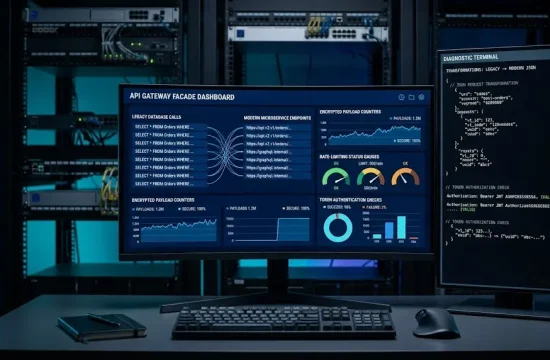
Scaling changes completely with APIs. Unlike manual processes that require a linear increase in headcount, global supplier payments through APIs use a fixed infrastructure. Adding volume doesn’t create a proportional amount of strain. Information flows automatically from your ERP to the payment gateway and then to the supplier. The “back-and-forth” that used to consume hours is now handled in milliseconds by connected systems.
Benefits of Scaling with APIs:
- No need to hire additional staff for higher transaction volumes.
- Instant processing regardless of time zones or office hours.
- Consistency in payment timing, which builds immense trust with global suppliers.
Eradicating the Typo: Quality Control at Scale
Typing numbers is a human task that should have been retired years ago. In global supplier payments, a single missing digit in an IBAN or a slightly incorrect currency conversion can halt a project for days. APIs remove these chances for something to go wrong. Information moves once, and that’s it. It’s not that people became more efficient; it’s that they aren’t in charge of the tiny transfers of data anymore. By removing the steps where mistakes happen, you protect the profit margin from the “death by a thousand cuts” caused by manual corrections.
From Maintenance to Strategy
The final evolution of global supplier payments is the change in the feeling of the work. People who used to spend their entire day resending things that got lost or following up on approvals suddenly have space. This space is where the real value is created. Looking at data patterns, negotiating better terms with suppliers, and improving the overall financial health of the organization. APIs are saving the global profit margin not just by being faster, but by enabling the human team to finally focus on the strategy that actually moves the business forward. The system is no longer holding its breath; it is finally breathing.