Everyone always talks about the Inca Trail, like it’s the only trek in the Andes that matters, but honestly there are so many other trails out there and some of them feel even more real, more wild. The thing is, you can’t just pack your bag and go whenever. The Andes don’t work that way. The weather runs the show, and if you go in the wrong season you’ll probably end up soaked, frozen, or stuck in mud. I learned that the hard way once near Cusco when I thought October would be fine but got three days straight of storms. It was beautiful in its own way but man, tough.
The Rhythm of the Mountains: Dry vs. Wet
The Andes are huge, running down half the continent. The vibe changes country by country, but everywhere there’s this rhythm between the dry season and the wet one. Once you figure that out, the rest starts making sense.
Peru: The Postcard and the Reality
Take Peru, for example. Everyone knows the Inca Trail, but the other treks—these are the real gems:
- Salkantay
- Ausangate
- Choquequirao
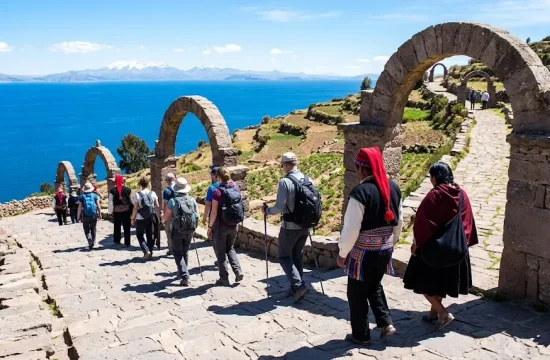
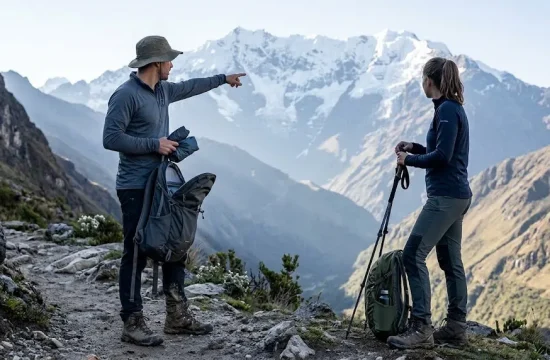
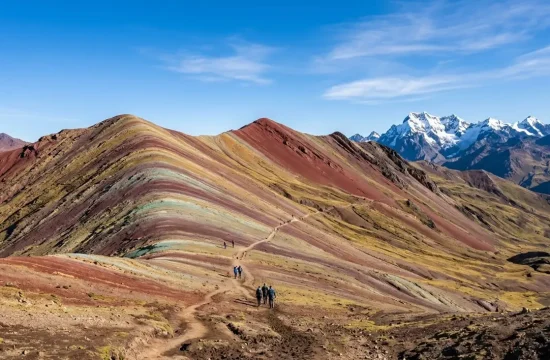
Dry season runs May through September. Those are the months where the skies are this crazy sharp blue and the mountains pop out against them like a postcard. Nights get ridiculously cold, like the kind of cold where you wake up with ice on your tent, but the tradeoff is clear mornings and views that go forever. Downside? It’s busy. Not Inca-Trail busy maybe, but you’ll still see plenty of hikers.
Bolivia: Raw and Uncrowded
Bolivia feels different. Less crowds, same pattern. May to September is the safe bet there too. The Cordillera Real near La Paz is just raw and massive. Days are crisp, nights freeze your fingers off, but the scenery is so good it doesn’t matter. Try it in January though and good luck—rivers flood, paths disappear under mud. Honestly it can be dangerous.
That’s one thing about the Andes, you can’t fight them, you have to work with what they give you.
Ecuador: The Equatorial Gamble
Now Ecuador, that’s a tricky one. Being on the equator means you don’t get the neat dry-wet split like Peru. The volcano treks—Cotopaxi, Chimborazo, Quilotoa—technically you can go anytime, but if you want clearer skies, June through September is when the odds are better. You’ll get crazy winds, but at least you’ll see the peaks. Other months, it’s fog city and half the time you don’t even know you’re on a mountain.
Patagonia (Chile & Argentina): A Different Beast
Then you’ve got Chile and Argentina down south. Patagonia is another beast. Forget about May to September like in Peru—here the season flips. November to March is the window, the only real shot you have at tackling Torres del Paine or Fitz Roy without being blown off the map or buried in snow. And even then, the weather there is nuts. People joke you get all four seasons in a single day, and it’s not a joke.
Beyond Weather: Culture, Solitude, and Gear
Something a lot of people don’t think about is the cultural side of the calendar. In Peru, around May and June, there’s this festival called Qoyllur Rit’i up in the mountains. Thousands of people hiking, dancing, carrying crosses, music echoing against glaciers. It’s wild, almost surreal. If you time your trek with something like that, it’s not just about landscapes anymore, you get a whole other layer of connection.
Shoulder Season Magic
And honestly, not everyone loves peak season. April and October are shoulder months, and they can be magic if you’re okay with some rain. Valleys turn greener, flowers come out, trails feel empty. I actually prefer October for the colors, even if I’ve ended up soaked a few times. There’s something about being the only one on the trail, the mountains all to yourself, that makes the rain worth it.
A Note on Gear
But yeah, gear matters no matter when you go. I’ve seen people show up in sneakers and thin jackets thinking the dry season means “easy,” and by nightfall they’re shivering. Even in July you can get hail in the afternoon or snow up high. The Andes don’t care what month it is. Always pack like the weather could flip, because it probably will.
So what’s the best season? Depends on you. If you want predictability and don’t mind bumping into other trekkers, go May to September in Peru and Bolivia or summer months in Patagonia.