Almost everyone who goes to Machu Picchu thinks they know what the experience will be like. Then they actually go, and it turns out to be something else entirely. Part of that surprise comes from the place itself, of course, but a big part comes from the journey.
Machu Picchu isn’t just a destination you arrive at; it’s something you slowly approach, sometimes over days, sometimes over hours. That approach shapes how it stays with you afterward.
The Classic Inca Trail: The Mythical Route
For a lot of travelers, the idea of walking the Classic Inca Trail is what first sparks the dream. It’s the route you hear about in stories, the one that sounds almost mythical.
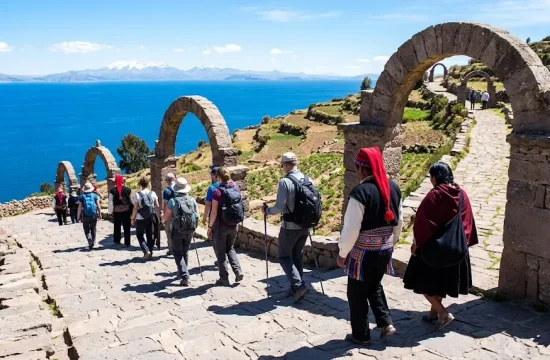
Four days of walking, sleeping in tents, passing old stone staircases and ruins hidden in the forest. There’s something powerful about knowing that people were moving along that same path centuries ago. By the time you reach the Sun Gate on the final morning, tired and probably a bit sore, emotions tend to surface.
The trail is tightly controlled, permits are limited, and you have to plan far in advance. That scarcity makes it feel important, though it also means it’s not for everyone.
The Salkantay Trek: Raw and Untamed
When permits aren’t available, or when people want something less regulated, Salkantay usually enters the conversation. This trek has become incredibly popular, and not just as a backup plan.
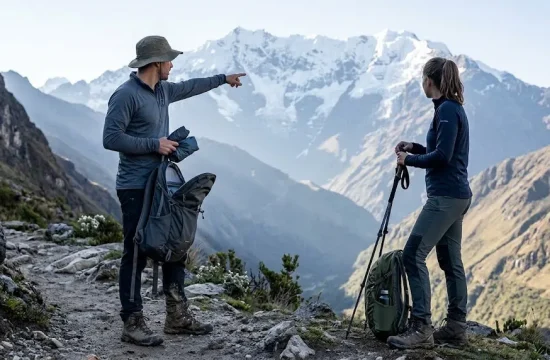
In some ways, it feels more raw than the Inca Trail. The mountains are bigger, the distances feel longer, and the weather can be unpredictable. One moment you’re under intense sun, the next you’re pulling on layers as cold wind hits your face.
You don’t see many ruins along the way, but what you get instead is space. Big skies, deep valleys, and long stretches of solitude. It has become one of the most popular tours Machu Picchu offers for those who want to earn the view through physical effort.
The Lares Trek: A Cultural Rhythm
Then there’s the Lares Trek, which feels like it belongs to a different rhythm altogether. This route doesn’t chase dramatic views every hour. It’s quieter, slower, and often less crowded.
You walk through villages where daily life hasn’t changed much in decades. One of the things people remember most are the hot springs. After a long day of walking, sitting in warm water under the open sky, muscles finally relaxing, conversations tend to drift into something deeper.
The Train: Comfort with a View
Of course, many travelers never plan to hike at all, and they still have an incredible experience. The train journey to Machu Picchu is by far the most common way to get there. It’s easy to underestimate it until you’re actually on board.
The ride follows the river, cutting through the Sacred Valley, and slowly the landscape changes. The air feels thicker, greener, more alive. Some call it the easy way, but there’s nothing wrong with comfort when the view is that good. For older travelers, families, or anyone short on time, this route makes Machu Picchu possible.
The Inca Jungle Trek: The Backpacker’s Choice
Another option that gets talked about a lot is the Inca Jungle Trek. This one doesn’t pretend to be traditional. It mixes activities to create a dynamic journey:
- Downhill Biking.
- Hiking through jungle areas.
- River Rafting.
It’s not about tracing ancient footsteps; it’s about having a fun journey that ends at one of the most famous sites in the world.
Choquequirao: The Ultimate Test
For those who really want to test themselves, Choquequirao is often mentioned with a mix of excitement and fear. This is not a casual trek. It’s long, physically demanding, and requires commitment.
The reward is visiting a massive archaeological complex that few people ever see. Standing among those ruins, often nearly alone, can feel unreal. Some trekkers then continue all the way to Machu Picchu, turning the whole experience into something almost legendary.