What defines the heritage of traditional food in Lima today?
The core identity of the capital’s culinary heritage is found in its ability to adapt external flavors without losing its deep connection to the land and ocean. True traditional food in Lima relies heavily on the complex use of native seasoning bases known as aderezos, which combine slow-fried onions, garlic, and specific chili pastes.
Without these foundation elements, dishes like causa rellena or lomo saltado would lose the distinctive depth that separates them from standard international variants. This continuous dedication to complex seasoning matrices keeps the historical flavors alive across generations of neighborhood families.
How did slow-cooked Creole stews transform the urban culinary scene?
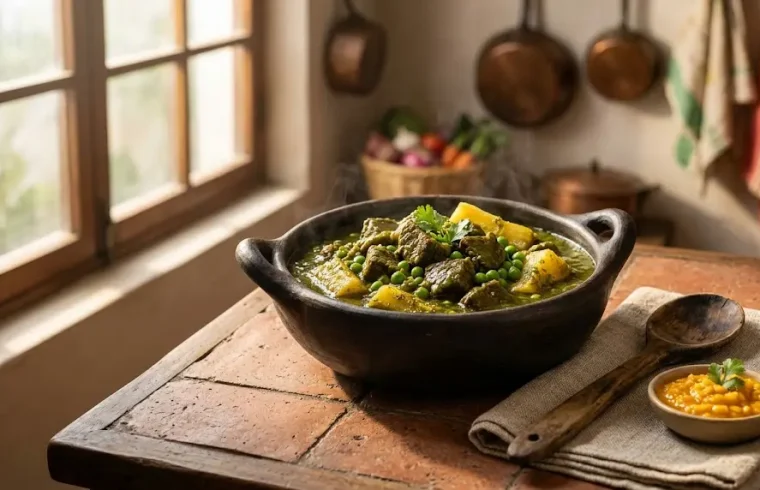
The development of slow-cooked Creole recipes arose from resourcefulness and cross-cultural exchange, as diverse communities combined inexpensive cuts of meat with local agricultural products. Over time, these hearty stews moved from working-class taverns into the center of the city’s dining identity.
The most enduring Creole dishes rely on three specific preparation characteristics:
- Extended simmering cycles: Cooking tough meat cuts for hours until the connective tissues dissolve completely into rich sauces.
- Complex herb reductions: Utilizing massive quantities of fresh cilantro and black mint to create deep aromatic bases.
- Vinegar and chicha maceration: Employing acidic liquids to tenderize meats and balance the heat of native yellow peppers.
What safety parameters guarantee a safe street food exploration in Barranco?
The bohemian district of Barranco offers an incredible array of street food options, ranging from sweet picarones to savory anticucho skewers prepared over open grills on the sidewalk. However, enjoying these open-air culinary treats requires a disciplined eye for hygiene and operational safety.
Evaluating open-air cooking infrastructure
Safe street food vendors display a high level of organization, keeping raw meats insulated from cooked products and using stainless steel food containers. What experienced food researchers look for is a separate worker handling cash payments, ensuring the cook’s hands never touch currency notes during service. Selecting stands with a constant stream of local families ensures a rapid turnover of fresh ingredients.
Why does preserving ancestral cooking techniques protect the city’s identity?
In an era dominated by fast food chains and standardized commercial menus, maintaining traditional methods like clay-pot cooking and manual spice grinding protects the cultural history of the community. These ancient techniques preserve the subtle smoky notes and complex textures that industrial blenders and aluminum pans erase.
The retention of artisanal cooking knowledge ensures that local food systems remain connected to small-scale farmers who supply native crop varieties. There is something deeply valuable about a community that refuses to compromise its ancestral flavor profiles for the sake of quick commercial expansion. This cultural resistance guarantees that the city retains its distinct gastronomic soul.
How can you responsibly experience the best traditional food in Lima?
Structuring your gastronomic explorations around family-owned taverns and historic market stalls minimizes your environmental footprint while directly channeling economic benefits to local food producers. Working with certified travel agencies allows you to access hidden establishments that operate safely outside mainstream commercial spaces.
Follow this operational sequence to ensure an ethically sound culinary itinerary:
- Patronize independent, generations-old businesses that procure their raw materials from traditional neighborhood markets.
- Respect the seasonal fishing bans mandated by maritime authorities to protect local rock bass and shellfish populations.
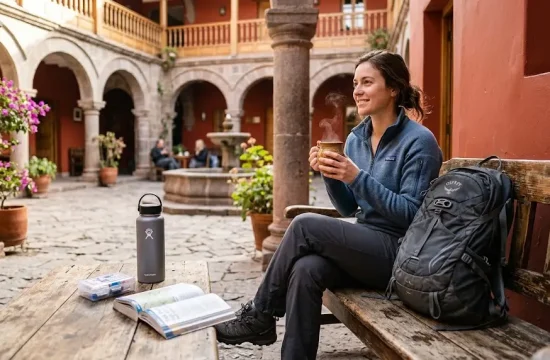
- Decline single-use plastics and carry your own technical water flasks during urban food walks through the center.
By choosing verified operators who respect heritage and environmental laws, you enjoy authentic traditional food in Lima while fostering sustainable communities.