Architecting custom agentic solutions enterprise systems allows organizations to deploy autonomous digital agents capable of executing multi-step business logic across complex data environments in this 2026. As corporate digital transformations evolve past basic text generation assistants, enterprise software groups require specialized architectures that interact directly with core databases, enterprise resource planning platforms, and legacy API endpoints. Generic commercial assistants lack the state preservation, sovereign data controls, and custom tool-calling capabilities necessary to handle sensitive operational workflows independently. Building proprietary agent networks empowers technology teams to design targeted vector retrieval models, enforce zero-trust access boundaries, and implement strict deterministic execution rules. Deploying dedicated custom agentic solutions protects critical intellectual property while delivering unmatched operational automation across mission-critical business units. This technical blueprint outlines the foundational infrastructure, state management practices, and security guardrails required to scale sovereign software agents effectively across modern cloud environments.
What defines custom agentic solutions enterprise architectures?
Deploying custom agentic solutions enterprise frameworks involves building modular software systems where autonomous agents evaluate tasks, plan multi-step execution paths, and trigger API actions dynamically. Unlike simple prompt-response chatbots, agentic frameworks maintain continuous state memory, query external relational databases, and execute custom code environments autonomously.
These systems integrate directly with internal microservice architectures, allowing agents to process complex workflows like financial auditing, inventory reordering, or automated vulnerability patching without human intervention.
Custom tool-calling capabilities and sovereign memory pools distinguish enterprise agentic systems from basic consumer assistants.
Designing dedicated agentic architectures transforms passive language models into active, task-executing software microservices.
How do autonomous agents execute multi-step business logic independently?
Autonomous agents break down broad operational goals into discrete sub-tasks, selecting appropriate tools and API endpoints based on real-time feedback from their execution environments. If an initial database query returns incomplete data, the agent dynamically refines its search parameters or queries alternative internal endpoints to complete the required analysis.
This dynamic problem-solving loop enables agents to handle unexpected data variations that typically break rigid, legacy automation scripts.
Core functional layers of autonomous agents
Enterprise agentic implementations depend on four interconnected architectural components:
- Planning module: Deconstructing complex tasks into sequential, executable sub-tasks.
- Memory store: Retaining short-term conversation context and long-term vector embeddings.
- Tool registry: Interfacing safely with internal REST APIs, SQL databases, and file systems.
- Execution evaluator: Verifying output accuracy against deterministic business rules before taking action.
Why is sovereign vector memory critical for complex enterprise data?
Sovereign vector memory allows custom agents to store and query millions of internal document embeddings securely without exposing sensitive records to third-party AI vendors. By hosting vector databases within private cloud VPCs, organizations maintain complete data sovereignty and enforce strict data isolation between internal departments.
Custom indexing strategies optimize retrieval accuracy, ensuring that agents pull precise, up-to-date context when executing automated reasoning workflows.
Private vector databases eliminate third-party data leak risks while optimizing query speeds across vast corporate archives.
Controlling the memory vector layer is essential for maintaining strict regulatory compliance in finance and healthcare deployments.
What infrastructure layers protect custom agentic workflows securely?
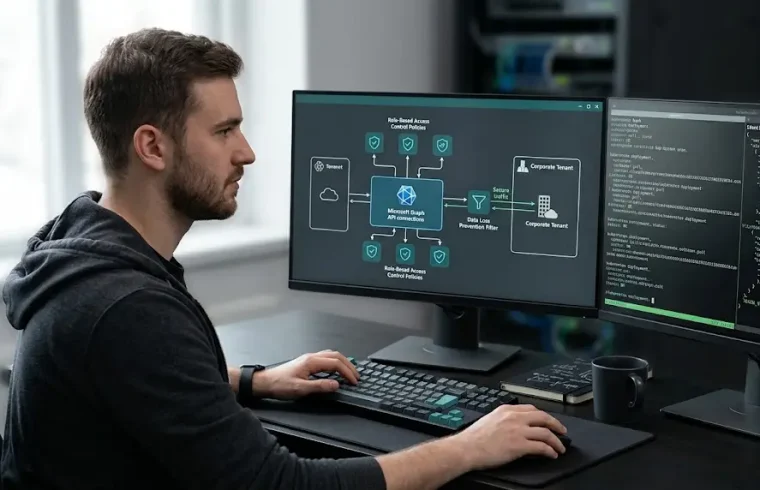
Securing enterprise agentic frameworks requires implementing zero-trust network boundaries, fine-grained identity permissions, and real-time execution sandboxes. Agents must operate under strict role-based access control (RBAC) rules, ensuring they can only query data and trigger APIs authorized for their specific functional role.
Deploying automated output sanitization filters prevents malicious prompt injection attacks from altering internal database state parameters or exposing confidential credentials.
Sandboxing code execution environments prevents untrusted generated code from executing directly on host infrastructure.
How do software teams measure the performance of custom agentic solutions enterprise setups?
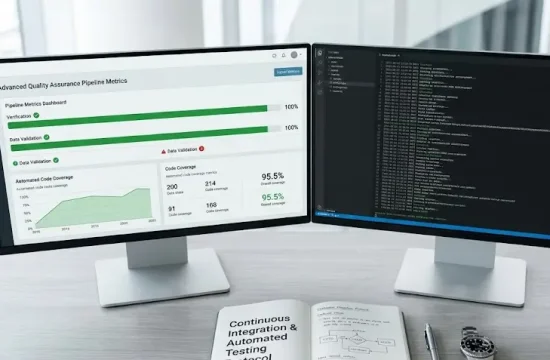
Evaluating custom agent performance demands tracking execution accuracy, step latency, and tool-calling success ratios across continuous integration testing suites. Engineering teams run automated evaluation benchmarks that pit agent outputs against verified ground-truth dataset results prior to deploying code updates to production environments.
Tracking system latency and compute token consumption ensures that multi-agent orchestrations run within acceptable operational budgets.
Building robust custom agentic solutions enterprise systems provides organizations with secure, highly adaptable operational automation tools. Prioritizing sovereign memory and modular software architecture guarantees long-term technical resilience across evolving cloud environments.