How does visual intelligence convert raw corporate data into revenue growth?
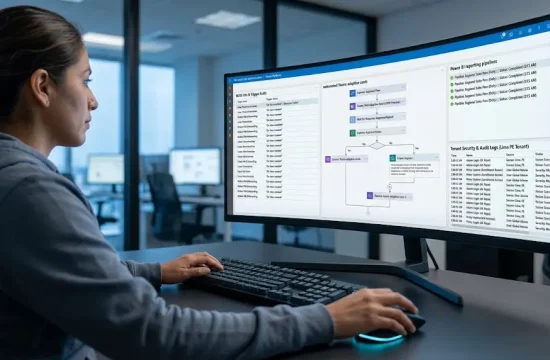
When enterprise data remains hidden inside isolated databases, identifying critical market shifts or operational waste is exceptionally difficult. Utilizing specialized power platform consulting capabilities allows businesses to build dynamic visual reports through Microsoft Power BI. This framework translates confusing text strings into actionable tracking charts.
Operational data confirms that interactive dashboards give managers real-time visibility into productivity trends. This clear insight allows teams to address production errors before they impact client relationships.
Visualizing key performance metrics converts passive tracking into an active tool for continuous process optimization.
Why are secure self-service portals essential for external supply chains?
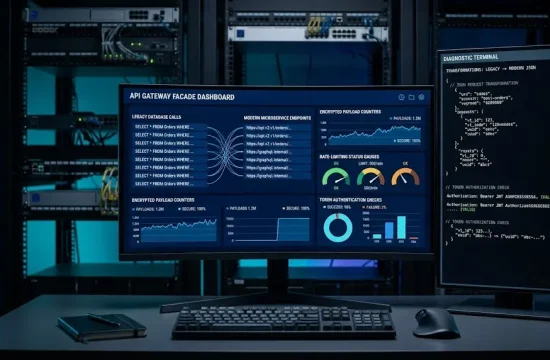
Relying on phone interactions and legacy email chains to coordinate with external suppliers slows down production timelines. Utilizing Microsoft Power Pages, companies can launch secure web portals that connect external users directly with internal tracking systems.
These dedicated hubs allow vendors to upload documentation, verify project statuses, and check invoice approvals independently. Role-based credentials ensure external partners access only their relevant files, keeping core system spaces safe.
Transitioning partner communication into structured web environments preserves digital compliance while accelerating external supply chain operations.
Can unified data dashboards improve executive leadership decision speeds?
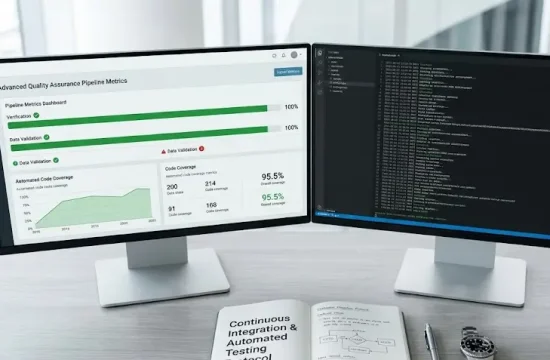
Executive leadership teams waste significant time when they must review multiple spreadsheet versions to understand core business performance. Centralized data models resolve this issue by consolidating scattered information pools into a single visual command center.
- Unified financial reports display real-time cash flows across multiple bank accounts.
- Sales tracking metrics highlight changing buyer behaviors across different regions.
- Inventory monitoring interfaces flag stock shortages before order processing stalls.
Consolidating your operational metrics ensures leadership acts on identical, accurate information during strategic reviews.
How does web-based self-service lower corporate administrative overhead?
Customer service and supply chain teams often spend hours answering basic status inquiries via email and phone calls. Providing external users with secure web access allows them to track requests independently, reducing administrative pressure.
Implementing structured web portals frees staff from repetitive communication tasks, allowing them to focus on high-value projects. This digital shift improves supplier relationships by delivering instant access to project details.
Self-service structures transform external interactions by replacing slow manual inquiries with immediate digital access.
How do companies implement a scalable data-driven business model?
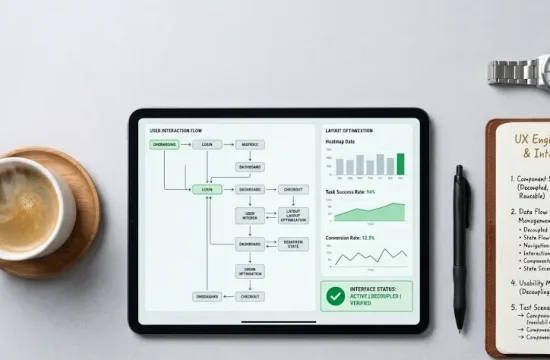
Building a modern, responsive corporate infrastructure requires clear platform integration, real-time tracking models, and secure external access points. Organizations must focus on removing communication silos while protecting corporate databases. This dual strategy improves market agility and lowers structural operating costs.
To secure market advantages, deploying a synchronized analytics strategy prevents information delays across your business units. Prioritizing visual data integration guarantees that every department operates with complete data clarity.
Transitioning away from scattered records to centralized data hubs provides a stable foundation for long-term corporate growth.