Shifting development resources from innovation to emergency maintenance
The true cost of skipping initial quality checks becomes visible when analyzing how engineering teams reallocate their freed-up attention span after a rushed launch. Instead of developing innovative software tools that drive revenue and capture new market segments, developers spend their peak cycles fixing old code logic leaks.
This misallocation of technical assets creates a massive opportunity cost that stalls your product roadmap. Fixing code in production costs ten times more than intercepting the same logic error during initial development phases. A team trapped in endless patch deployment cycles can never achieve the agile momentum required to stay ahead of prepared market competitors.
How continuous product instability overwhelms customer support loops
When software instabilities manifest within the user interface layer, the first line of defense to experience the impact is your customer support department. Unvalidated bugs trigger an immediate surge in helpdesk tickets, long response delays, and public complaints on application stores. Helpdesk agents get completely overwhelmed handling repetitive, avoidable problems.
This influx of complaints limits your capacity to handle strategic account requests or complex onboarding questions. To streamline these operational channels, tech structures must deliver:
- Automated error catching that logs system anomalies without requiring manual user input.
- Pre-release behavioral testing to ensure core data loops operate flawlessly.
- Transparent status communication that informs users of maintenance cycles instantly.
Reallocating tech budgets from post-release patches to initial QA gates
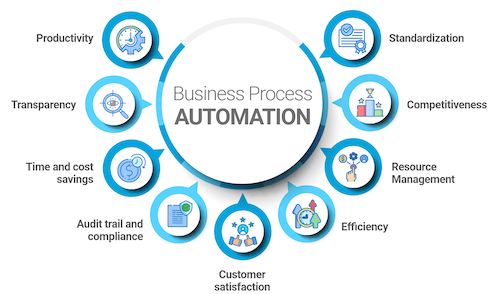
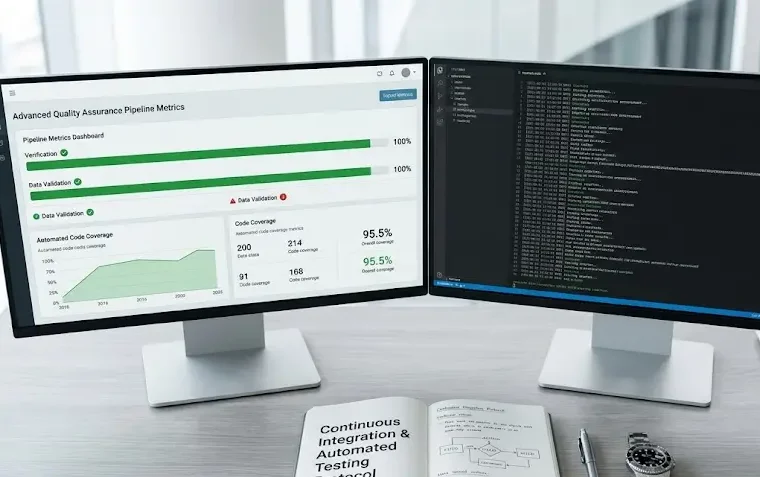
Financial controllers must expand their budget tracking models to measure the long-term returns of robust quality assurance practices. Spending capital on initial automated test suites, continuous integration pipelines, and dedicated verification engineers is an efficient strategy to lower overall product lifecycle expenses.
By trapping logic defects inside internal testing sandboxes, companies prevent the out-of-pocket costs associated with data recovery passes, client compensation compliance demands, and emergency system rollbacks. Reclaiming engineering focus through initial testing preserves the financial resources of the organization, proving that an unyielding commitment to pre-release testing directly protects the corporate bottom line.
Building a durable, scalable engineering architecture for long-term growth
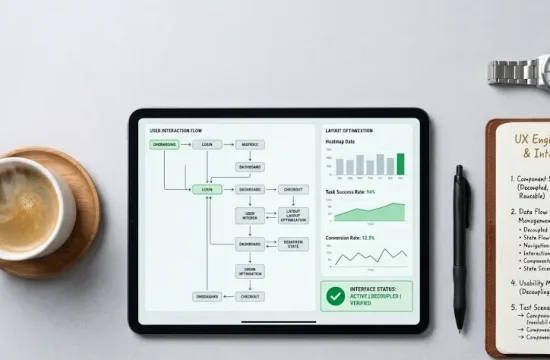
Securing sustainable organizational growth requires technology directors to upgrade their deployment guidelines from manual checking routines into robust, fully automated validation architecture. Engineering teams cannot scale digital services safely if features are pushed to production repositories without rigorous automated checking routines. Separating frontend updates from central data engines ensures that style changes occur without risking the underlying ledger balance mechanisms.
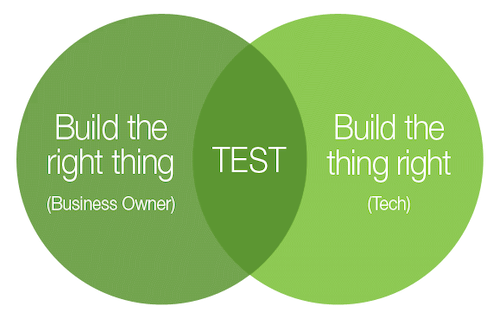
Ultimately, one of the primary benefits of software testing is that it preserves system understandability over time, ensuring that the repository remains clean, predictable, and highly agile. Building a durable code engine through methodical pre-release verification guarantees a flawless customer journey, lower administrative overhead, and sustainable economic returns across your entire digital product portfolio.