What technical mechanisms build deep trust in fintech applications?
The invisible pillars of user confidence
What specific technical mechanisms build deep trust in fintech applications during daily use? Long-term confidence develops silently when a system behaves exactly as predicted over hundreds of consecutive transactions. Unlike consumer entertainment or e-commerce platforms where design updates focus on visual engagement, financial services demand a quiet, unglamorous standard of architectural resilience. When authentication pathways and ledger balance configurations operate without flaws, user friction drops to zero. This systematic stability forms the silent foundation of corporate brand equity.
How do vague error screens affect the consumer relationship?
The severe cost of transparent communication failures
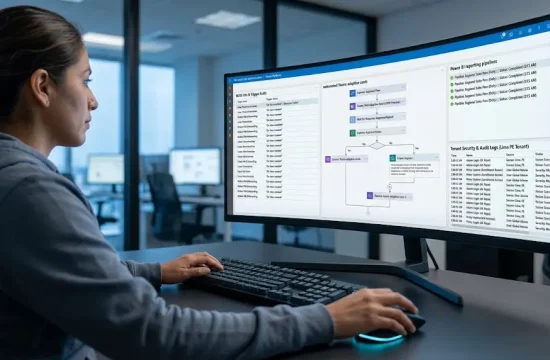
Modern banking users are generally realistic and understand that digital platforms occasionally suffer from technical outages or schedule updates. However, what completely destroys user confidence is systemic ambiguity during an operational crisis. Generic error screens and unexplained delays trigger intense anxiety, leading customers to assume that their financial accounts have been compromised. Providing transparent, context-rich error messages that explain the precise status of funds and expected resolution windows ensures that consumer relations remain fully protected even during unexpected server updates.
Why does rapid execution require rigorous background validation?
Why accelerated transactions demand flawless verification
Speed is undeniably an attractive customer acquisition tool, as opening an account in minutes or transferring funds in seconds delivers a high sense of efficiency. Yet, acceleration loses its marketing value the moment a single rapid transaction fails or encounters a settlement error. To secure the long-term benefits of transaction acceleration, teams should look at these metrics:
- Automated validation layers that double-check balance ledgers instantly.
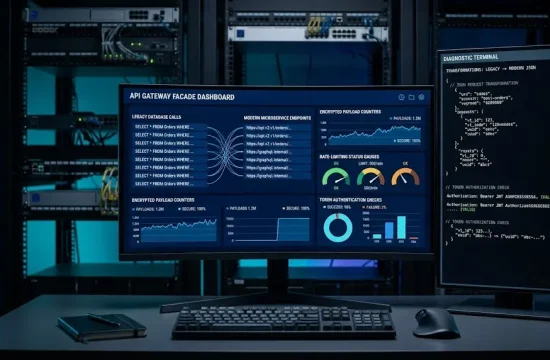
- Decoupled database configurations that prevent single points of failure.
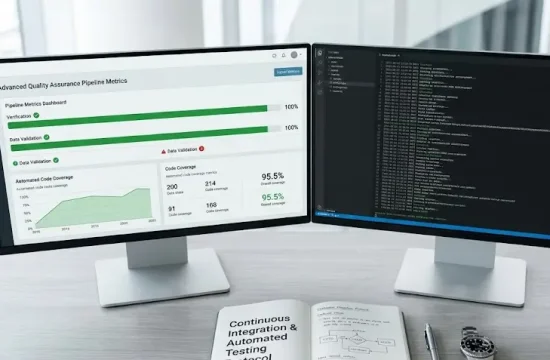
- Rigorous quality assurance parameters that simulate peak concurrent users.
Can visual polish rescue an unstable transactional engine?
Evaluating the balance between style and substance
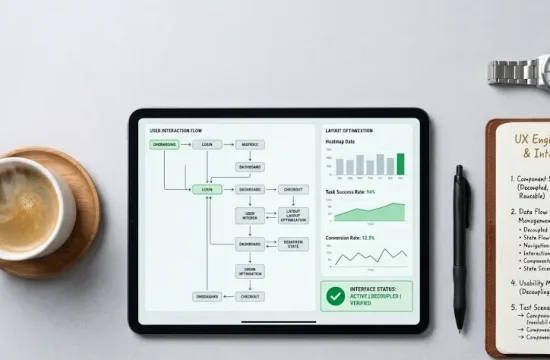
An elegant user interface is an excellent tool for driving initial downloads, but operational durability is what keeps accounts active over multiple fiscal quarters. A platform with baseline visual aesthetics but flawless real-time data synchronization will consistently capture higher loyalty scores than a stunning application that displays occasional transaction errors. Functional accuracy is the ultimate design metric within the financial tech landscape, ensuring that user wealth remains fully protected from administrative errors.
How do continuous automated verification loops protect brand equity?
Implementing rigorous testing cycles for long-term scalability
Securing permanent trust in fintech systems requires engineering directors to upgrade their manual checking routines into continuous automated testing pipelines. Leadership cannot scale operations safely if software updates are pushed to production repositories without rigorous validation loops. Deorganizing checking teams and separating the presentation layer from the central transactional engine ensures that updates happen seamlessly. By ensuring that system architecture behaves predictably across branches, companies turn technical stability into a durable competitive asset that increases valuations year after year.